writing
-

Sound advice: The best RP and BBC English podcasts
“A rose by any other name would smell as sweet,” wrote Shakespeare. But the accent, I would argue, makes a difference. Crystal-clear Received Pronunciation—RP, or “BBC English”—is easy on the ears and perfect for podcasts. Here’s a brief guide. Hear, hear!Image: Ai-generated/ Gemini I loved the vowels and diction of the Crawleys in Downton Abbey.… Read more
-
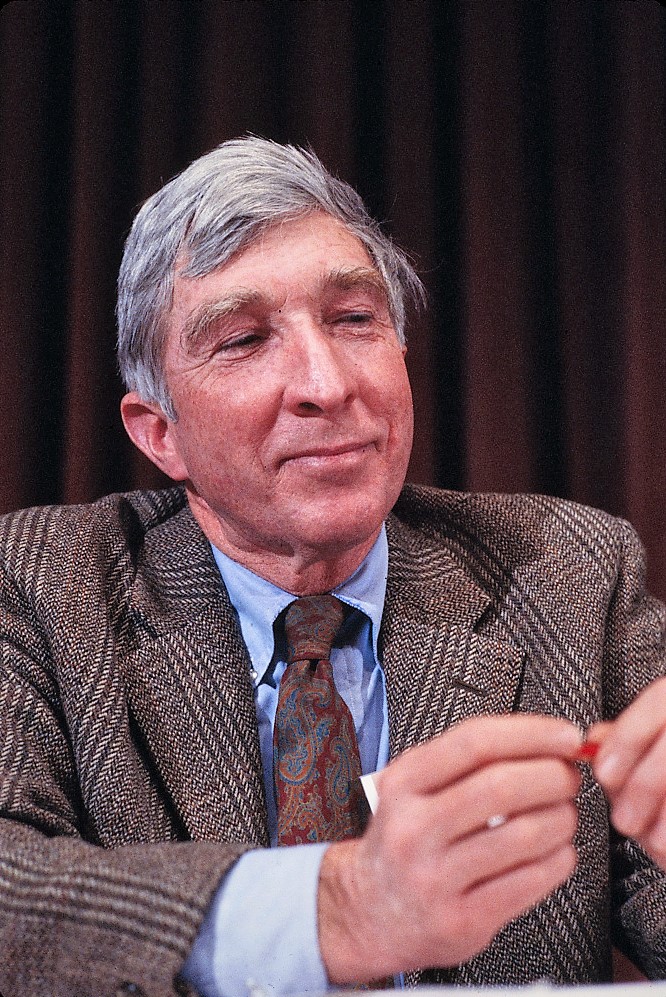
Updike romanced the 1950s
John Updike never disappoints. Anytime I pick up his books, I am mesmerised by the beauty of his prose. I don’t read him for his plots, his pace; his novels are to be lingered over and savoured for their vivid images and sensory details. He is a sensuous writer whose ability to evoke the senses… Read more
-
EB White on writing
Today is the birthday of EB White (July 11, 1899 – October 1, 1985), reminds the Writer’s Almanac. Earlier this month, I posted an entry quoting the writer William Zinsser’s homage to White in his book, On Writing Well. The Elements of Style by William Strunk Jr and EB White remains a classic English language… Read more
-
Unleashing the subconscious and overcoming the writer’s block
I have been reading Can I Change Your Mind? The Craft and Art of Persuasive Writing by Lindsay Camp, a copywriter. He writes about the need for “unleashing the subconscious”. He writes: “I want to expand a bit on the role played by the non-rational mind in making writing come alive. Read more
-
Rewriting: A 20th century phenomenon
The essence of writing is rewriting, says William Zinsser in his book, On Writing Well. With the arrival of the word processor, he says: “Two opposite things happened: good writers got better and bad writers got worse. Good writers welcomed the gift of being able to fuss endlessly with their sentences – pruning and revising… Read more
-
William Zinsser: On Writing Well
I admire people who write fast and don’t have to think and rewrite like me. So I was surprised to read that even a writer and teacher like William Zinsser thought writing wasn’t easy. Here is what he says in his book, On Writing Well: Read more
-
Writing: From EB White to computer era
I have been reading the book, On Writing Well, by William Zinsser – the 30th anniversary edition, published in 2006. Zinsser begins his introduction with a description of a portrait of the New Yorker contributor EB White that captures the essence of the writer’s craft. Read more
-
Nature’s chief masterpiece
Of all those arts in which the wise excel,Nature’s chief masterpiece is writing well. The quote used to appear in a Time magazine ad long ago. Hardly anyone remembers the author, John Sheffield, the Duke of Buckingham (1648-1721), for his poetry, but maybe that is why I love the quote all the more. I am… Read more
-
The seven ages of language
Don’t make any conscious effort to improve your vocabulary, says Stephen King in his book, Stephen King: On Writing. Your vocabulary will grow as you read, he adds. And then he says: One of the really bad things you can do to your writing is to dress up the vocabulary, looking for long words because… Read more
-
Updike on writing
John Updike, Wilfred Owen and George Plimpton were all born on March 18, reminds the Writer’s Almanac. My favourite writer, the most celebrated First World War poet, and Plimpton, the founding editor of the Paris Review, which he helmed from 1953 till his death in 2003. I remember reading excerpts from Paper Lion, his book… Read more
You must be logged in to post a comment.